
New
New: official Python client
Use the NBA Stat API from Python with pip install nbastat. It covers every read endpoint, with typed results, pagination and automatic retries. Your existing API token works, and the hourly limit is the same.
Get started
November 28, 2026 at 6:47 AM UTC
NewsPablo Torre’s latest Clippers comments add new pressure to Steve Ballmer and the NBA
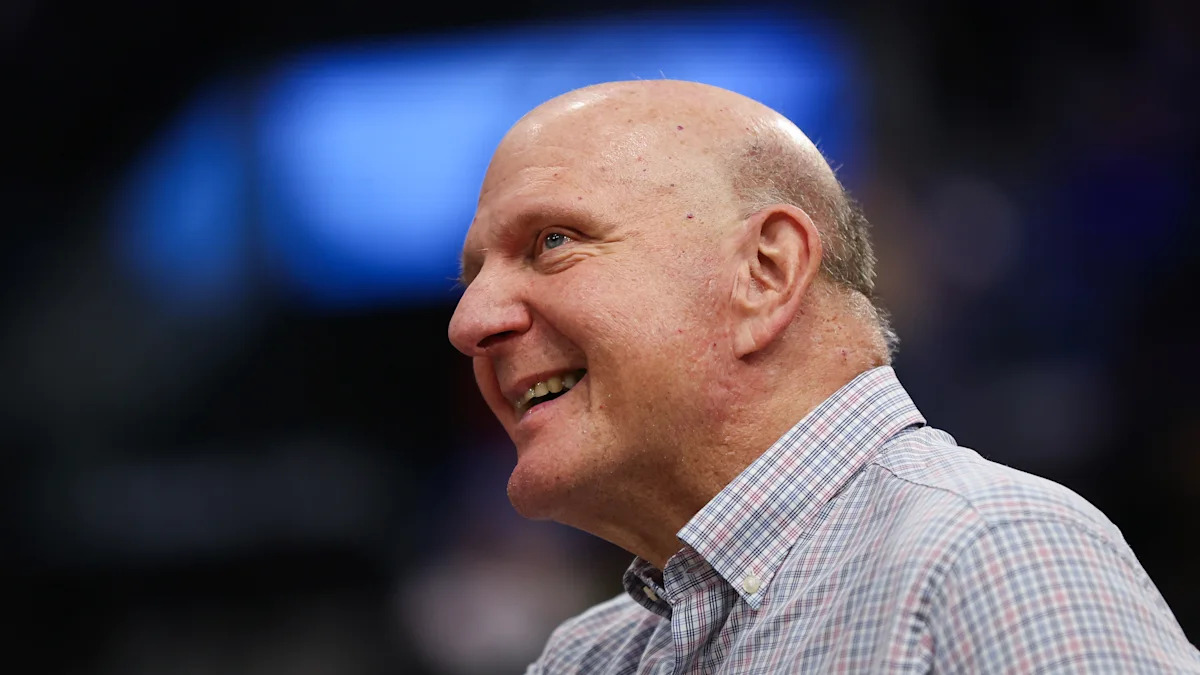
Nearly three months after the NBA punished the Clippers for salary-cap circumvention involving Kawhi Leonard, Pablo Torre said the league may have had enough in its investigation to force owner Steve Ballmer to sell the franchise.
The latest twist in the Clippers case
Nearly three months after the NBA handed down penalties to the Los Angeles Clippers for salary-cap circumvention involving Kawhi Leonard, investigative journalist Pablo Torre said the league may have had grounds to force owner Steve Ballmer to sell the team based on information that has not been made public.
Torre made the comments Wednesday on The Adam Friedland Show, arguing that a harsher punishment than the one the league imposed was “on the merits” possible if the full scope of the findings from the NBA’s review had been disclosed. The comments do not change the league’s official position, but they add a new layer of scrutiny to a case that already raised serious questions about the Clippers’ financial arrangements with Leonard and the NBA’s willingness to discipline powerful ownership groups.
What Torre is saying
Torre’s central point was not merely that the NBA punished the Clippers, but that it may have stopped short of revealing the most serious parts of its investigation. He said he believed forcing Ballmer to sell the franchise would have been justified based on “the full scope” of what he and his reporting uncovered, including material the NBA has not publicly addressed.
He also suggested the independent law firm retained by the league, Wachtell, Lipton, Rosen & Katz, did not examine the entire history of Leonard’s dealings with the Clippers. According to Torre, the report’s scope ended before Leonard’s most recent extension with the team. That matters because any claim of incomplete review naturally invites questions about whether the league’s public discipline matched the seriousness of the underlying conduct.

Those are Torre’s interpretations, not confirmed NBA findings. But they have resonance because they speak to the same issue the league had already placed under a spotlight: whether a team found a way to bend, or bypass, the salary cap rules to secure a competitive advantage.
Why the comments matter now
The NBA’s punishment of the Clippers was already a significant governance story. It involved one of the league’s most prominent owners, one of its most valuable franchises, and a star player whose contracts and outside business dealings had become part of a larger integrity question.
Torre’s remarks extend that story by suggesting the public still may not know the full extent of what the league found. If there were additional findings serious enough to support pressure for a forced sale, then the implications go beyond one team’s cap compliance. They reach into the league’s enforcement credibility, the transparency of its investigative process, and the standards it applies when an ownership group is implicated in a major rules violation.
That is especially sensitive in the NBA, where ownership discipline is rare and where the removal of an owner from control would represent one of the most severe actions available to the league. Even the suggestion that such a remedy might have been justified underscores how serious the underlying matter has become.
The limits of the public record
What is known publicly is that the NBA penalized the Clippers for salary-cap circumvention tied to Kawhi Leonard. What remains unclear, based on Torre’s comments, is how much more the league uncovered during its investigation and whether those findings were ever part of the official case presented behind closed doors.
That gap matters. When a league releases a punishment without fully disclosing its reasoning, observers are left to evaluate the outcome against an incomplete picture. The result can be a credibility problem: even a substantial penalty may seem insufficient if there is a belief that the real evidence was larger, broader, or more damaging than what the league chose to acknowledge.
At the same time, Torre’s comments should be understood carefully. He is not claiming the league has confirmed additional violations publicly, and he is not presenting a formal NBA finding that Ballmer should lose the team. He is saying that, based on what he believes was uncovered and what he believes remains unrevealed, a forced sale would not have been out of bounds.
The bigger league issue
This is why the Clippers case has become more than a single-team compliance dispute. It now sits at the intersection of competitive fairness, owner accountability, and the league’s own enforcement standards.
If the NBA’s investigation was indeed narrower in public than in private, then the league faces a familiar but difficult choice: how much to disclose without compromising process, and how to punish conduct without creating the impression that some owners are protected by their stature. The Clippers are not just any franchise, and Ballmer is not just any owner. Any suggestion that the league handled the matter cautiously because of who was involved is likely to intensify outside skepticism.
The practical consequence is reputational as much as legal or competitive. The NBA depends on trust that its rules are enforced consistently, especially when allegations involve salary-cap manipulation, the core mechanisms that are supposed to preserve balance across the league.
For now, the official record has not changed. But Torre’s comments ensure that the Clippers matter is not settling into the background. Instead, it remains an active test of how far the NBA will go when the alleged violation touches one of the league’s most powerful figures and most closely watched teams.